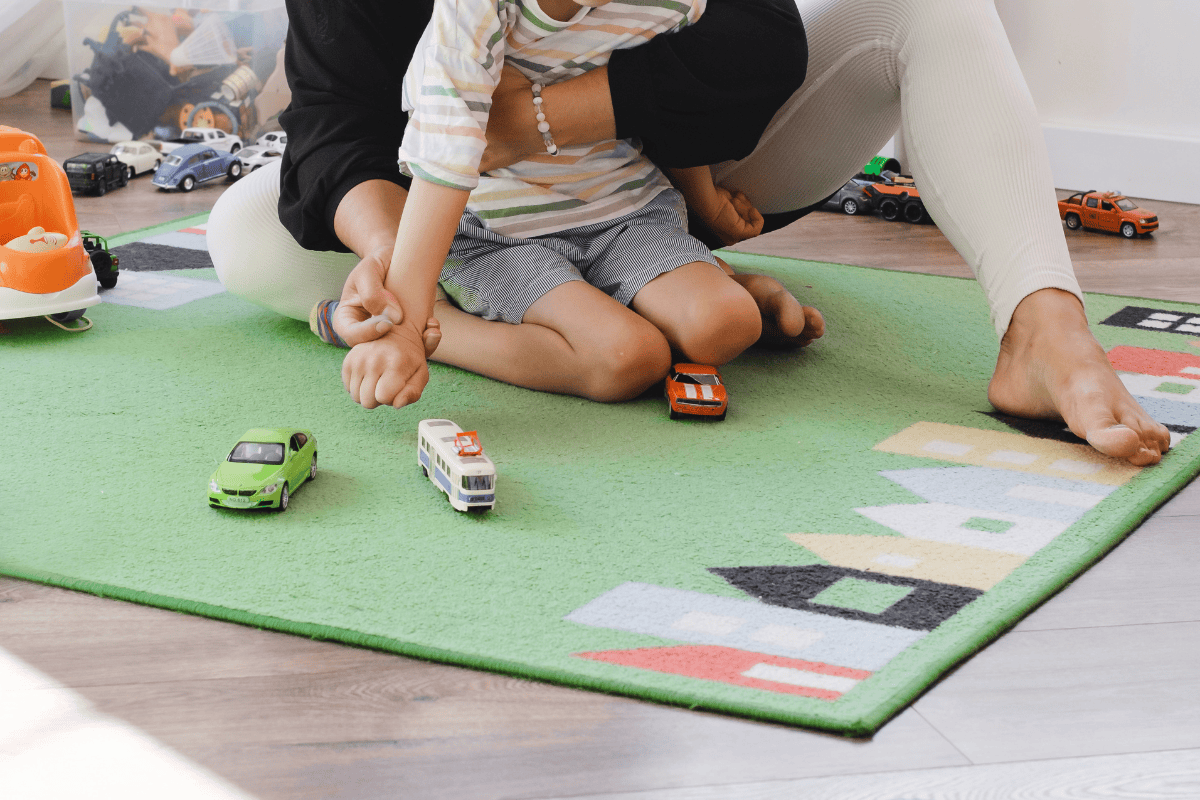
When you think about the developmental challenges children with Down syndrome and autism face, it can sometimes feel overwhelming. However, selecting the right toys can make a world of difference, not only for their enjoyment but also for their growth. Toys that are educational, engaging, and tailored to their needs can help them develop essential skills like social interactions, motor coordination, and emotional expression. In this post, we will explore the best toys for children with Down syndrome and autism, highlighting how each can cater to their unique abilities while providing hours of fun.
The Needs of Children with Down Syndrome and Autism
Before diving into the list of toys, it’s crucial to understand the specific developmental needs of children with Down syndrome and autism. Both conditions impact different areas of development, such as communication, social interaction, motor skills, and emotional regulation. Therefore, toys that are chosen should aim to enhance these areas.
Children with Down syndrome often benefit from toys that help improve their motor skills and cognitive abilities. These toys should also encourage social interaction and communication, which can be challenging for some kids with this condition.
On the other hand, children with autism spectrum disorder (ASD) typically need toys that provide sensory stimulation, support motor development, and assist with communication. Many kids on the autism spectrum are also prone to repetitive behaviors and sensory sensitivities, so selecting the right toy can help in providing comfort and relaxation.
Types of Good Toys for Children with Down Syndrome Autism
1. Toys for Enhancing Motor Skills
Motor skills are essential for a child’s development, and toys that improve hand-eye coordination, balance, and fine motor skills are invaluable for children with Down syndrome and autism. Some toys specifically target these areas:
- Building Blocks: Toys like wooden blocks, LEGOs, and other construction toys allow children to engage in hands-on activities that improve fine motor control.
- Activity Boards: These toys offer a range of tactile activities like buttons, locks, and switches, which help children with motor development and improve their attention span.
- Push and Pull Toys: Toys such as toy cars or animals on wheels that children can push or pull around help with gross motor coordination, which is especially important for young children with developmental disabilities.
2. Sensory Toys for Sensory Processing
Children with autism often have heightened or diminished sensory sensitivities. Sensory toys are designed to help with this by providing sensory stimulation in a safe and controlled manner. Here are some sensory toys that work wonders:
- Sensory Balls: These are soft, textured balls that children can squeeze or roll, promoting both tactile stimulation and relaxation.
- Fidget Toys: Items like fidget spinners, textured rings, or sensory putty allow children to engage their hands, providing calming sensory input while helping reduce anxiety.
- Weighted Blankets or Toys: These provide deep touch pressure, which can have a calming effect on children with autism and help them feel more secure and grounded.
3. Educational Toys for Cognitive Development
Toys that stimulate cognitive development can help children with Down syndrome and autism increase their problem-solving abilities, cognitive flexibility, and understanding of the world around them. Some of the best toys include:
- Shape Sorters: Simple toys that involve matching shapes to their corresponding holes help develop early learning skills, including recognition of colors, shapes, and hand-eye coordination.
- Interactive Learning Tablets: Tablets designed for children can be a great educational tool, providing games that enhance language development, math skills, and even social behavior. Many come with apps specifically designed for children with special needs.
- Puzzles: Whether it’s a traditional jigsaw puzzle or a 3D puzzle, these toys encourage logical thinking, patience, and problem-solving.
4. Toys for Emotional Expression and Social Skills
Social skills and emotional regulation can be some of the most challenging areas for children with Down syndrome and autism. Toys that encourage communication, role play, and empathy can make a significant difference:
- Dolls and Stuffed Animals: These toys are great for role-playing, helping children practice caring behaviors and express their feelings.
- Board Games for Social Interaction: Simple board games that involve taking turns and following rules can help children with autism understand the concept of cooperation and interaction.
- Emotion Cards or Dolls: Some toys help children identify and express their emotions. These can be incredibly helpful for kids who struggle to understand their feelings.
5. Toys for Communication Skills
Children with autism often have difficulty with verbal communication, so toys that support language development are critical. These toys encourage speech and communication skills while keeping the child engaged.
- Speech Therapy Toys: Toys such as electronic books or talking flashcards promote language acquisition by providing sounds and visuals that help children make connections between words and images.
- Storytelling Kits: These kits often come with picture cards or figurines that children can arrange in sequence to create stories. This not only helps with verbal skills but also nurtures creativity.
Choosing the Right Toys for Your Child’s Needs
When selecting toys for children with Down syndrome and autism, it’s essential to keep in mind the child’s age, interests, and developmental level. Consider these factors:
- Interest Level: It’s crucial to choose toys that align with the child’s interests. For example, if the child enjoys animals, a set of toy animals could spark their imagination while also teaching them about different species.
- Developmental Appropriateness: Ensure the toys are suitable for the child’s age and developmental level. Some children may need toys that are more simple and basic, while others might thrive with complex challenges.
- Safety: Always check for safety certifications. Look for non-toxic materials and ensure that there are no small parts that could pose a choking hazard.
How to Incorporate Toys Into Therapy and Daily Routine
Incorporating toys into therapy sessions or daily routines is an excellent way to reinforce the skills the child is working on. Here are some tips for parents and caregivers:
- Create Structured Playtimes: Designate specific times during the day for play with these toys. This helps the child form routines and understand when to expect certain activities.
- Combine Toys with Therapy: Integrate toys into speech or occupational therapy sessions. For instance, use a puzzle during a therapy session to promote cognitive and motor skills.
- Encourage Social Interaction: Play with your child using the toys to model social behaviors like taking turns or sharing. This is especially helpful for children with autism who may not instinctively pick up on these social cues.
Conclusion
Choosing the right toys for children with Down syndrome and autism can play a pivotal role in their development. The toys we’ve explored in this post not only help with sensory processing and motor skills but also foster emotional growth and social connections. Whether it’s a building set to improve fine motor skills or a weighted blanket to offer comfort, these toys cater to the specific needs of children with these conditions. By selecting the right toys, you’re giving them the tools they need to thrive and grow.
FAQs
1. What are the best toys for children with Down syndrome?
Toys like building blocks, activity boards, push-and-pull toys, and sensory balls are ideal for children with Down syndrome as they promote motor skills and cognitive development.
2. How can toys help children with autism?
Toys can help children with autism by promoting sensory input, social skills, and communication. Items like fidget toys, sensory balls, and speech therapy tools can support their development.
3. Are there toys to improve social skills in children with autism?
Yes, dolls, board games, and emotion cards are great for encouraging children with autism to practice social interaction, empathy, and understanding emotions.
4. What types of sensory toys are recommended for children with autism?
Sensory balls, fidget toys, and weighted blankets are highly recommended for children with autism to provide calming stimulation and support sensory processing.
5. How do educational toys benefit children with Down syndrome?
Educational toys like shape sorters, puzzles, and interactive learning tablets help children with Down syndrome develop cognitive skills such as problem-solving, language acquisition, and memory.
6. How do I choose the right toys for a child with autism?
Choose toys based on the child’s age, interests, and developmental level. Sensory toys, communication tools, and those that encourage social interaction work best.
7. Can board games help children with Down syndrome and autism?
Yes, simple board games that promote turn-taking, cooperation, and rule-following are excellent for helping children with Down syndrome and autism develop social skills.
8. Are there toys that promote fine motor skills for children with autism?
Yes, building blocks, activity boards, and puzzles are great toys for promoting fine motor skills and hand-eye coordination in children with autism.
9. How can I integrate toys into my child’s therapy sessions?
Incorporate toys like puzzles or educational games into therapy sessions to reinforce skills being worked on, such as cognitive development, motor skills, or communication.
10. Are sensory toys safe for children with autism?
Yes, sensory toys that are made of non-toxic, durable materials and are free of small parts are safe for children with autism. Always check safety labels when purchasing toys.