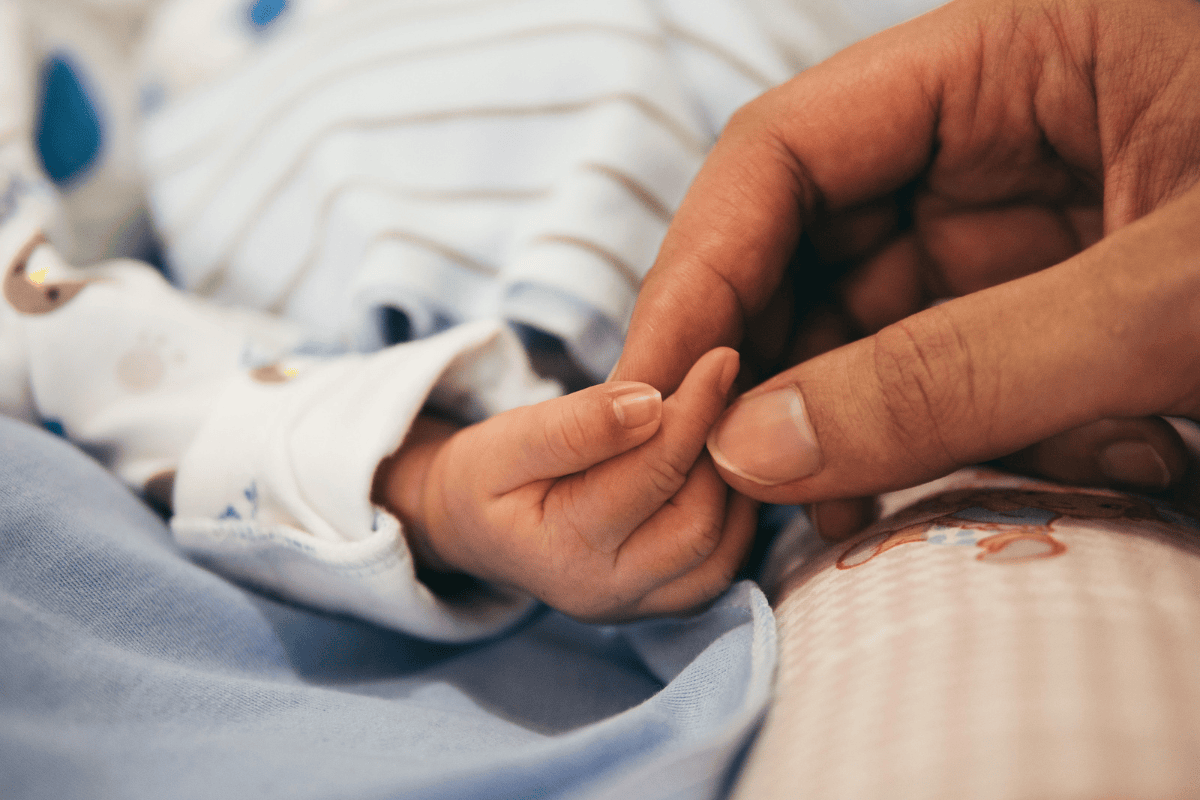
Bringing a new baby into the world fills your days with joy, cuddles, and endless questions. One common concern for new parents is how long does a baby wear newborn clothes before needing to size up.
Typically, babies wear these tiny outfits for about two to four weeks, but growth can vary widely. Some little ones may fit snugly into newborn clothes for just a week, while others might stretch it to a month.
How Long Does a Baby Wear Newborn Clothes?
When it comes to how long a baby wears newborn clothes, the answer How Long Does a Baby Wear Newborn Clothes is typically around the first two months of their life. However, this can vary depending on the baby’s growth rate and size at birth.
Understanding Baby Sizes
Before diving deeper, it’s good to know that baby clothes sizes can be a bit confusing. Newborn clothes often fit babies who weigh up to 8 pounds and are about 21 inches long.
Most newborn clothes are labeled as “0-3 months,” which means they are suitable for babies within that age range.
If your baby is larger or smaller, you might need to adjust how long they wear these clothes.
Every baby grows at their own pace, so it’s important to monitor your baby’s size.
Newborn clothes may fit your baby for only a few weeks or a couple of months. Therefore, always check the fit.
Signs It’s Time to Transition
As your baby grows, they will show some signs that it’s time to move up to the next size.
If their clothes appear too tight or snug, it’s a clear sign.
Look for marks on their skin where the fabric digs in.
When their hands and feet start to peek out of the sleeves or legs, that’s another sign.
Many parents might feel sad about leaving behind those tiny clothes. However, it is essential for the comfort and health of your growing child.
Buying the Right Amount of Newborn Clothes
When preparing for a new baby, it’s common to wonder how many newborn clothes you should buy.
It’s often suggested to have about 5 to 10 onesies in the newborn size.
You may also want a few pairs of pants and hats to keep your little one warm.
Babies tend to have lots of little accidents, from spit-ups to diaper leaks. So having enough clothes on hand can help you manage those unexpected messes.
Choosing the Right Fabrics
Choosing the right fabric for your baby’s clothes is also important.
Soft, breathable materials like cotton are ideal for a baby’s sensitive skin.
Avoid clothes with rough seams or irritating tags.
These choices can ensure that your baby stays comfortable while wearing those little outfits. Comfort plays a significant role in how long your baby can wear newborn clothes happily.
Considerations for Preemies
If your baby arrives earlier than expected, you may need to look into preemie clothes.
Premature babies may need clothes designed specifically for their small size.
These clothes usually fit babies who weigh up to 5 pounds.
Preemie clothes can help keep your tiny baby warm and cozy, ensuring they feel secure in those early weeks.
Capitalize on Hand-Me-Downs
Once your baby outgrows their newborn clothes, consider passing them on or storing them for future use.
Many parents love to save baby clothes for future siblings.
Swapping with friends can also be a fun way to get new items and save money.
Hand-me-downs can be a great way to recycle clothing and keep those tiny outfits in the family.
Storage Solutions for Outgrown Clothes
If you decide to keep the clothes, think about how to store them.
Use clear bins to organize by size and season.
Label each bin to make it easy to find what you need later.
Storing clothes properly helps maintain their condition, so they are ready when you need them again.
Dealing with Baby Growth Spurts
Keep in mind that babies experience growth spurts.
These usually happen around the two-week mark, six weeks, and three months.
During these times, your baby may require new clothes quickly due to rapid growth.
Be ready to adjust your baby’s wardrobe as these changes occur.
Clothing Style Tips
While comfort is key, you can also have fun with your baby’s clothing style.
Choose outfits that reflect your personality as a parent.
Mix and match outfits to create a variety of looks.
This can make dressing your baby a fun experience every day.
Essentials for the Newborn Wardrobe
Here’s a quick list of essential items that every newborn wardrobe should have:
- 5 to 10 onesies
- A few pairs of pants
- Several sleep sacks or swaddles
- Hats for warmth
- Soft, stretchy socks
Having these essentials on hand can help you feel prepared for anything.
Washing Newborn Clothes
When washing newborn clothes, it’s essential to use gentle detergent.
Look for fragrance-free and hypoallergenic options to avoid skin irritation.
It’s also a good idea to wash new clothes before your baby wears them.
This ensures that any chemicals from manufacturing are removed, making them safe for your little one.
Seasonal Considerations
The time of year your baby is born can also affect the types of clothes you’ll pack away.
Summer babies may need lighter fabrics, while winter babies will benefit from warmer outfits.
Consider layering options to adjust to indoor and outdoor temperatures.
Adapting to the season can help keep your baby comfortable as they grow.
Monitoring Baby’s Comfort
Always pay attention to your baby’s comfort as they grow.
Monitor how they react to their clothing.
Look out for signs of discomfort, such as fussiness or crying when dressed.
Happy babies are often comfortable babies, so keep their well-being in mind.
Taking Baby’s Measurements
If you’re unsure when to transition to the next size, taking your baby’s measurements can help.
Use a soft measuring tape to record their height and weight regularly.
Compare these measurements with clothing size charts for best results.
This method ensures that you make informed choices about clothing sizes.
In conclusion, a baby typically wears newborn clothes for about two months, but this can change depending on their size and growth patterns. Always keep an eye on how your baby fits into their clothes and ensure they remain comfortable throughout the process. Keeping the baby’s comfort and health a priority will make choosing clothing sizes easy as they continue to grow.
Frequently Asked Questions
How quickly do babies grow out of newborn clothes?
Babies typically grow out of newborn clothes within 2 to 4 weeks, depending on their size and growth rate.
What size comes after newborn clothes?
After newborn size, most babies move on to size 0-3 months or 3 months, which fits a bit larger than newborn clothes.
Should I buy many newborn clothes?
It’s best to buy a few newborn clothes since babies outgrow them quickly. Focus on getting essentials in larger sizes as well.
Can my baby wear newborn clothes if they are larger than average?
If your baby is larger than average at birth, they may not fit into newborn clothes or may outgrow them very quickly.
How do I know if my baby fits in newborn clothes?
You can tell if your baby fits in newborn clothes by checking for snugness around the neck, arms, and legs. If they seem tight, it’s time to size up.
What characteristics should I look for in newborn clothing?
Look for soft fabrics, easy openings, and stretchable materials in newborn clothing for comfort and practicality.
Is it okay to use hand-me-down newborn clothes?
Yes, hand-me-down newborn clothes are fine as long as they are in good condition and clean.
How many newborn outfits do I need for my baby?
Typically, 5 to 7 newborn outfits are enough to get started, while you might want more if your baby has frequent spills.
Are newborn clothes the same as 0-3 month clothes?
No, newborn clothes are specifically designed for smaller babies, while 0-3 month clothes fit slightly larger babies.