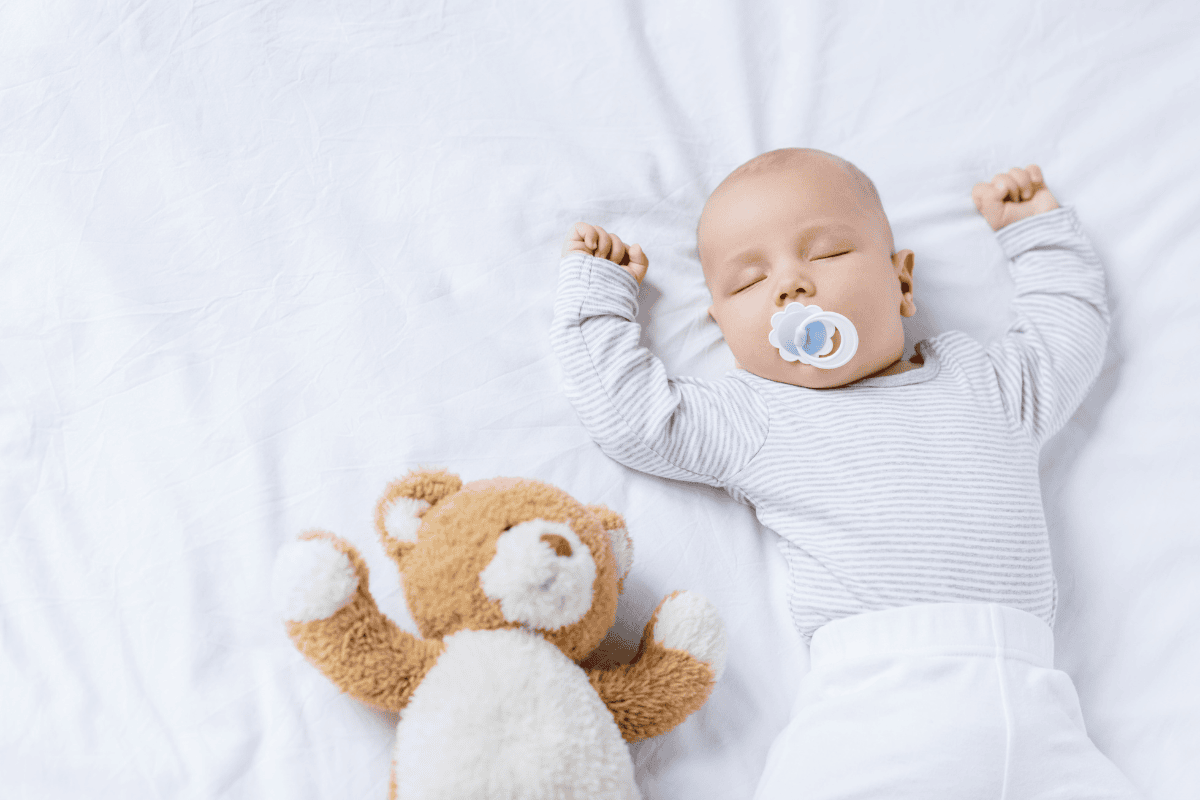
Choosing the right sleeping clothes for baby temperature can make a big difference in how well your little one sleeps. Parents often wonder: what should babies wear to stay comfortable through the night?
With changing seasons and varying room temperatures, finding the perfect outfit isn’t always easy. It’s important to keep your baby cozy without overheating, as both extremes can disrupt their sleep.
Lightweight fabrics like cotton or bamboo can help regulate your baby’s temperature, providing comfort during warm nights. On chillier evenings, layering with a light sleep sack or blanket can keep them snug and safe.
Making the right choice in sleeping clothes not only supports your baby’s comfort but also contributes to their overall health. Knowing how to dress your baby for sleep can lead to peaceful nights for the whole family.
Sleeping Clothes for Baby Temperature
Choosing the right sleeping clothes for babies helps in maintaining a comfortable temperature during sleep. Babies cannot tell us when they feel too hot or too cold, so it is essential to dress them properly for bedtime.
When selecting sleeping clothes, always consider the fabric. Natural materials like cotton are breathable and help wick away moisture, which keeps babies cooler. Synthetic materials may trap heat and can lead to overheating.
Another important factor is the style of the sleeping garments. One-piece sleep suits, often called sleep sacks or pajamas, with long sleeves and legs offer an easy way to keep babies warm without using heavy blankets. They allow for freedom of movement, which is crucial for a growing baby.
Understanding Baby Temperature Regulation
Babies have different body temperature regulation than adults. They lose heat quickly but also can overheat if dressed too warmly. Parents should check their baby’s temperature by feeling the neck or back—areas that are not covered by clothing.
Signs of overheating in babies include sweating, flushed skin, and rapid breathing. If you notice any of these signs, it may be time to remove a layer of clothing. On the other hand, cold hands and feet can be normal, as babies often have cooler extremities compared to their core body temperature.
Choosing the Right Fabric
Not all fabrics are created equal when it comes to baby sleepwear. Here are some popular options:
- Cotton: Soft and breathable, making it ideal for warm weather. It helps regulate temperature.
- Bamboo: Naturally moisture-wicking and breathable. Bamboo is also gentle on a baby’s sensitive skin.
- Wool: Excellent for colder climates. Wool helps regulate temperature and keeps babies warm without overloading them.
- Flannel: A cozy choice for winter. It adds warmth but should not be used alone if the baby is already warm.
Selecting the right fabric based on the season plays a crucial role in ensuring your baby sleeps soundly through the night. During hot months, lighter fabrics like cotton or bamboo will help keep a baby cool. In contrast, during colder months, thicker fabrics like wool or flannel can provide the necessary warmth.
Types of Sleeping Clothes
There are various types of sleeping clothes that cater to different temperatures and needs. The choice often depends on the climate and the individual preferences of the parents.
Sleep Sacks
Sleep sacks are a popular choice for babies. They act like a wearable blanket, enveloping the baby while allowing for movement. Sleep sacks come in different weights, making them versatile for different temperatures.
In warmer weather, opt for lightweight sleep sacks. For colder nights, thicker ones will keep your little one snug and warm. Always check the manufacturer’s guidelines for the suitable temperature range for that specific sleep sack.
Pajama Sets
Another common option is traditional pajama sets. Made of soft materials like cotton or bamboo, these sets often include a top and bottoms. They are comfortable and easy to put on and take off.
When choosing pajamas, consider the room temperature. If it’s cooler, opt for long sleeves and pants. If it feels warm, short sleeves and shorts are great options.
Swaddles
Swaddling can be particularly soothing for newborns. The snug feeling helps to calm and relax them. However, swaddling should be done safely to prevent overheating. Use lightweight swaddle blankets designed for breathability.
Once a baby shows signs of rolling over, it is important to stop swaddling. Transitioning them to sleep sacks or pajamas afterward is a good move.
Layering for Temperature Control
Layering is a smart way to dress your baby for sleep, as it allows for easy adjustments. You can start with a light base layer, such as a onesie, and then add a sleep sack or pajamas as needed.
Here are some tips for effective layering:
- Begin with a thin, breathable onesie as the base layer.
- If it is chilly, add a long-sleeved sleep suit or sleep sack.
- Keep a light blanket near, but avoid using heavy blankets.
- Monitor the baby’s temperature and adjust layers as necessary.
Layering not only keeps babies comfortable but also provides peace of mind for parents. This method allows for easy adjustments without needing to completely undress the baby.
Temperature Monitoring Tips
Keeping track of the room temperature and your baby’s comfort level is vital. Here are some effective tips:
- Use a room thermometer to keep the nursery at a comfortable temperature, ideally between 68°F to 72°F (20°C to 22°C).
- Dress the baby in one more layer than what an adult would wear comfortably.
- Check the baby’s neck periodically to assess if they are too hot or cold.
- Keep blankets and loose items away from the baby’s face to avoid any risks.
Being aware of these tips can help ensure that your baby sleeps peacefully without the discomfort of temperature fluctuations.
Common Mistakes to Avoid
Even experienced parents can make mistakes when it comes to dressing babies for sleep. Avoiding these common pitfalls can make a significant difference.
- Overdressing: Avoid using too many layers or heavy fabrics, as this can lead to overheating.
- Ignoring room temperature: Always ensure the sleeping environment is at a comfortable temperature.
- Using blankets: Avoid heavy blankets, as they can pose a suffocation risk for babies.
- Choosing the wrong size: Ensure the clothing fits properly. Loose clothes can pose a safety hazard.
By being mindful of these common mistakes, parents can help create a safer sleeping environment for their little ones.
Seasonal Considerations for Sleeping Clothes
The changing seasons bring different challenges for dressing babies. During the winter, insulated fabrics help retain warmth. In contrast, lighter materials are best for summer.
Summer Months
During the hot summer months, it is essential to keep the baby cool. Breathable fabrics and minimal layers are key. Here are some options:
- Short-sleeved onesies.
- Lightweight sleep sacks.
- A cotton sleep set.
Dressing your baby in lightweight clothing helps them stay cool and comfortable through warm nights.
Winter Months
In the winter months, babies need extra warmth to stay cozy. Choose thicker fabrics and cozy layers. Consider these options:
- Long-sleeved pajamas made of flannel or fleece.
- Thick sleep sacks for added warmth.
- Layered outfits with a onesie underneath.
The goal is to keep babies warm without overdoing it. Knowing how to combine different layers can ensure your baby is comfortable throughout the night.
Safety First: Dressing for Sleep
Safety is always a priority when it comes to baby sleep. Keep in mind a few essential safety tips.
- Always place the baby on their back to sleep.
- Ensure there are no loose items or blankets in the crib.
- Choose clothes that fit well—not too tight and not too loose.
Following safety guidelines ensures that your baby can sleep soundly while minimizing risks.
Choosing Brands and Products
Numerous brands offer high-quality sleeping clothes for babies. When selecting a brand, consider the materials and safety practices. Look for brands that prioritize safety and comfort.
It can also be helpful to read reviews from other parents. This can give insight into the real-life performance of these products. Some reliable brands include:
- Burt’s Bees Baby
- Halo Sleep Sack
- Goumi Kids
Choosing reputable brands can provide peace of mind that your baby’s sleeping clothes are made with care.
In conclusion, selecting the right sleeping clothes for baby temperature is crucial for a good night’s sleep. From considering fabric types to layering strategies, every detail matters.
By paying attention to your baby’s comfort and monitoring their temperature, you can ensure they sleep safely and soundly. Always choose breathable fabrics and follow safety guidelines, keeping your baby cozy and happy.
Frequently Asked Questions
What materials are best for baby sleeping clothes in different temperatures?
For warmer temperatures, choose lightweight materials like cotton or bamboo. In cooler weather, opt for thicker fabrics like fleece or merino wool to keep your baby warm.
How do I know if my baby is too hot or too cold in their sleepwear?
Check your baby’s neck or back. If they feel sweaty or very warm, they might be too hot. If they feel cool to the touch, they may need warmer clothes.
Should I dress my baby in layers for sleep?
Yes, dressing your baby in layers allows you to adjust their clothing based on room temperature. You can easily add or remove layers as needed.
Can I use a sleeping bag for my baby in warmer weather?
Yes, you can use a lightweight sleeping bag for your baby in warmer weather. Look for breathable materials to help regulate temperature.
What should I avoid in baby sleepwear for temperature control?
Avoid heavy fabrics and tight-fitting clothes that can trap heat. Also, steer clear of materials that do not breathe well.
Is footed sleepwear better for temperature control?
Footed sleepwear can be good for cooler temperatures as it keeps your baby’s feet warm. In warmer conditions, opt for sleepwear without feet to prevent overheating.
How should I adjust sleepwear when it’s hot outside?
Choose lighter fabrics, remove layers, and ensure your baby wears minimal clothing to stay comfortable when it’s hot.
Is it safe to use blankets for babies while sleeping?
No, it is not recommended to use blankets for babies under 12 months due to the risk of suffocation. Instead, use appropriate sleepwear or a sleep sack.
What is the ideal room temperature for a baby’s sleep?
The ideal room temperature for a baby’s sleep is between 68°F to 72°F (20°C to 22°C) to ensure comfort and safety.
How often should I check my baby’s temperature at night?
Check your baby’s temperature every few hours during the night, especially if the weather changes, to ensure they are comfortable and safe.